
What do your IT housekeeping, Written Information Security Plan (WISP), and software stacks say about you and your company’s readiness for disaster? For financial firms, the stakes have never been higher: the average cost of a data breach in this sector now exceeds $6 million, and regulators like the SEC, FINRA, and the EU (via DORA) are no longer handing out warnings, they are issuing record-breaking fines.
As a Managed Service Provider (MSP), MSP’s need to understand that technology is no longer just a tool for your business; it is the frontline of your regulatory standing. This is why we have developed a plan to help you check if they are supporting you and your technology properly as well as given you a sufficient Written Information Security Plan (WISP).
*We have included the 2024 Internet Crime Report for your reference https://www.ic3.gov/annualreport/reports
Just in 2024, 850,000+ internet crimes were reported, $16.6 Billion in loses (increased by 33% in one year), and an average lose of $19,000+
What is a Written Information Security Plan (WISP)?
A WISP helps you identify actions to take in the event of a security incident, data loss or theft. You’re the first line of defense in protecting taxpayer information. Regardless of the size of your practice, you should take steps to protect your systems and comply with federal standards. IRS Reference
1. As Technology grows and becomes more helpful, so does the need to regulate misuse
Written Information Security Plan’s (WISP) help define these newly increased regulations. Compliance this year is dominated by three major themes that every financial firm—from small RIA firms to large credit unions—must address:
- Operational Resilience (DORA & SEC Rules): This is where your MSP needs to understand the best Business continuity and disaster recovery (BCDR) for your needs. You must prove you can withstand and recover from an ICT (Information and Communication Technology) disruption within hours, not days.
- AI Governance: If you use AI for customer interaction (chatbots) or automated decision-making ,you are now required to provide “algorithmic transparency.” You must be able to explain to an auditor how your AI makes decisions and prove it isn’t biased.
- Total Communication Surveillance: Regulators have intensified their crackdown on “off-channel” communications. If your team is discussing business on WhatsApp or Signal without a compliant archiving solution, you are in violation of FINRA and SEC record-keeping rules. This is where someone with extensive knowledge with the guidelines and a Written Information Security Plan (WISP) makes all the difference.
2. What do you need for your Software/Hardware
Basic antivirus and firewalls are not enough. In 2026, the following are non-negotiable when it comes to compliance and protection for you and your client’s sensitive information:
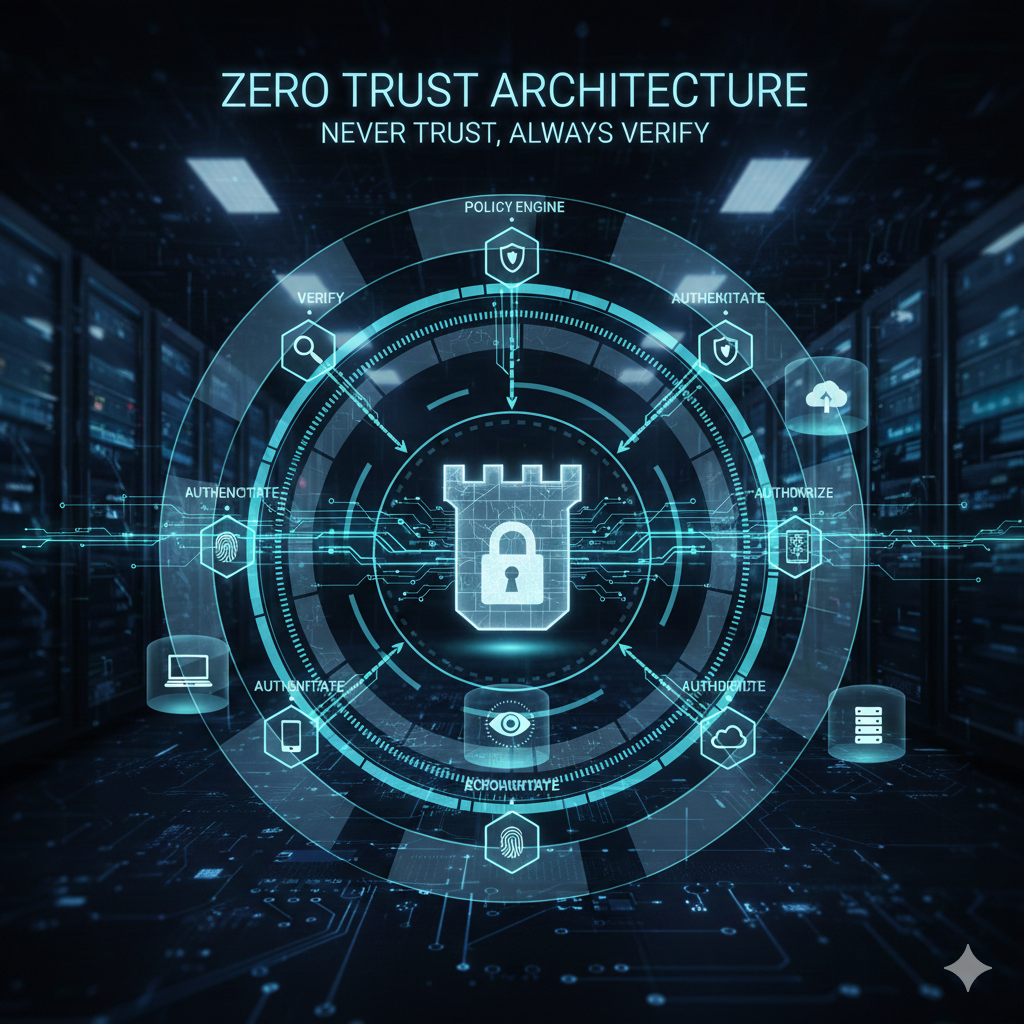
Zero Trust Architecture (ZTA)
The “perimeter” is dead. Compliance now requires a Zero Trust model where identity is verified at every step. Adding this to your Written Information Security Plan (WISP) shows you are not afraid of extra steps to ensure data security. This includes:
- Phishing-Resistant MFA: Traditional SMS codes are no longer considered “reasonable security” by many insurers. You need hardware keys or biometric authentication.
- Micro-segmentation: Ensuring that a breach in one department (like marketing) cannot spread to your sensitive financial data.
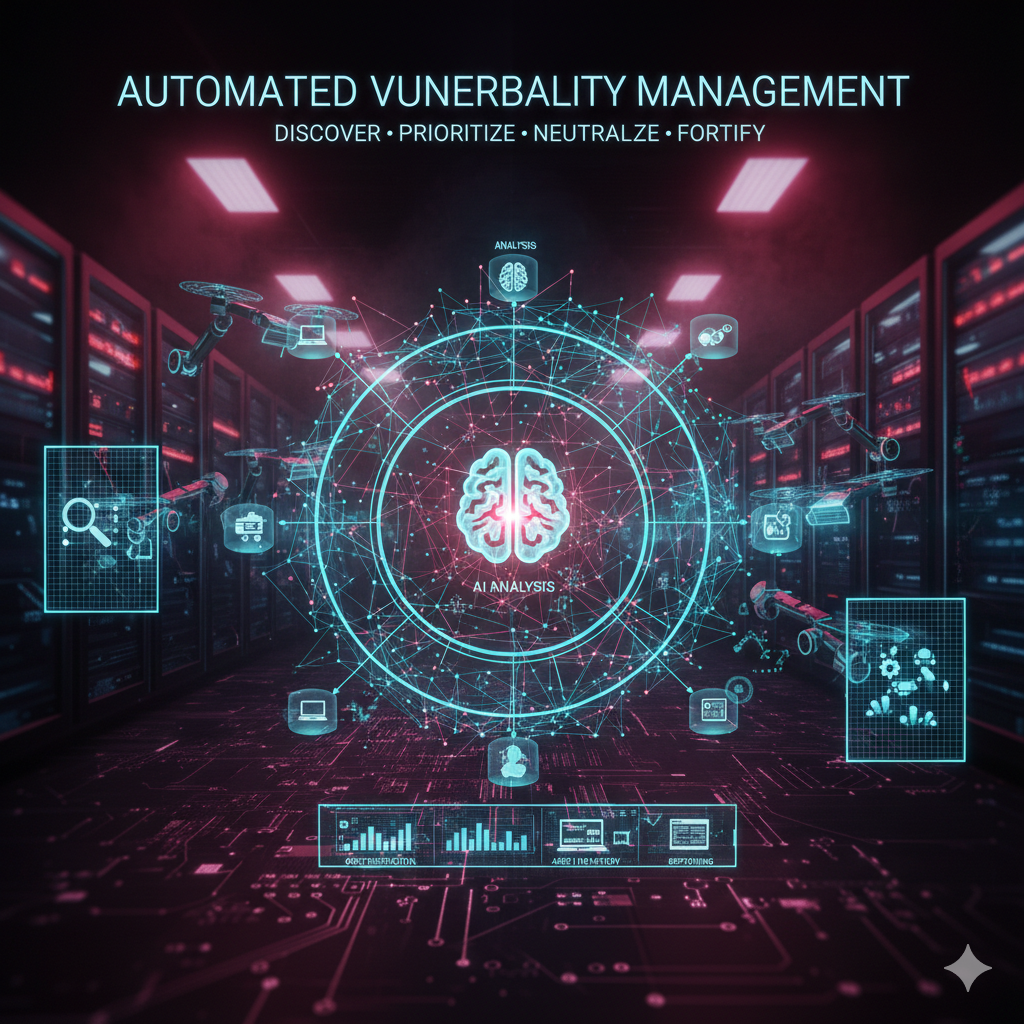
Automated Vulnerability Management
Annual penetration tests are now a “bare minimum.” Modern compliance demands Continuous Threat Exposure Management (CTEM). Including this in your Written Information Security Plan (WISP) helps protect you by showing you are doing what’s necessary to keep everything safe.
- Automated daily scans to find unpatched software.
- Real-time reporting that shows auditors you are fixing “Critical” vulnerabilities within your defined SLA (usually 24–48 hours).

Immutable & Air-Gapped Backups
Ransomware specifically targets backup files. To stay compliant with data integrity laws, your backups must be “immutable” (cannot be deleted or changed) and physically or logically “air-gapped” from your main network.
3. Humans make mistakes. Make sure your Written Information Security Plan (WISP) shows you are attempting to account for that.
Regulators are increasingly holding Boards and Senior Management personally accountable for cybersecurity failures.
- Cyber-Literate Leadership: 2026 regulations (like DORA) mandate that management receive specific training on ICT risks.
- Running Monthly Fake Phishing attacks: Running regular fake phishing emails shows you are on top of which employee’s need more training.
- Dynamic Phishing Simulations: Standard once-a-year training is out. You need monthly, adaptive simulations that train employees to spot “Deepfake” audio and video scams—a rising threat this year.

4. What can a competent MSP do better than your cousin or a corner break/fix computer store?
Trying to manage this in-house is increasingly impossible for mid-market firms. An MSP provides the “compliance-as-a-service” layer you need:
| Requirement | How We Solve It |
| Audit Readiness | We provide real-time dashboards and logs that are “auditor-ready” at a moment’s notice. |
| Vendor Risk Management | We vet your third-party software (SaaS) to ensure they meet the same high standards you do. |
| Incident Response | We provide the 24/7 monitoring and the formal “Incident Playbook” required by law. |
| Regulatory Mapping | We map your IT controls directly to frameworks like GLBA, NYDFS, or CMMC. |
The Bottom Line
Compliance is not a destination; it is a pulse. If your technology isn’t being monitored, patched, and audited in real-time, you are falling behind the regulatory curve.
Is your current IT setup ready for a surprise SEC or FINRA audit tomorrow?
We Can Help

Book your non intrusive evaluation today so we can help you find the gaps your company needs to patch